
Funder: National Institute for Health and Care Research, Research for Social Care Programme, May 2024- May 2026
Led by the University of Wolverhampton, DOSTIA’s involvement in the InvolveD study, has centred on making dementia research creative, inclusive and genuinely rooted in the lives of South Asian communities in Wolverhampton and Sandwell. From co-developing the research proposal to engaging 65 South Asian participants and facilitating workshops, the focus has been on ensuring that people’s everyday experiences and hopes shape better dementia support.
Our role in InvolveD
From the beginning, DOSTIA partnered with the research team to help design a project that truly reflected the realities of South Asian, Black African and African Caribbean communities and their experiences of dementia support. This meant contributing to the development of the proposal and advising on culturally appropriate, community-centred methods. A key part of the role was outreach and relationship-building, using trust and local knowledge to support the engagement of 65 South Asian people across Wolverhampton and Sandwell.
A creative, inclusive workshop
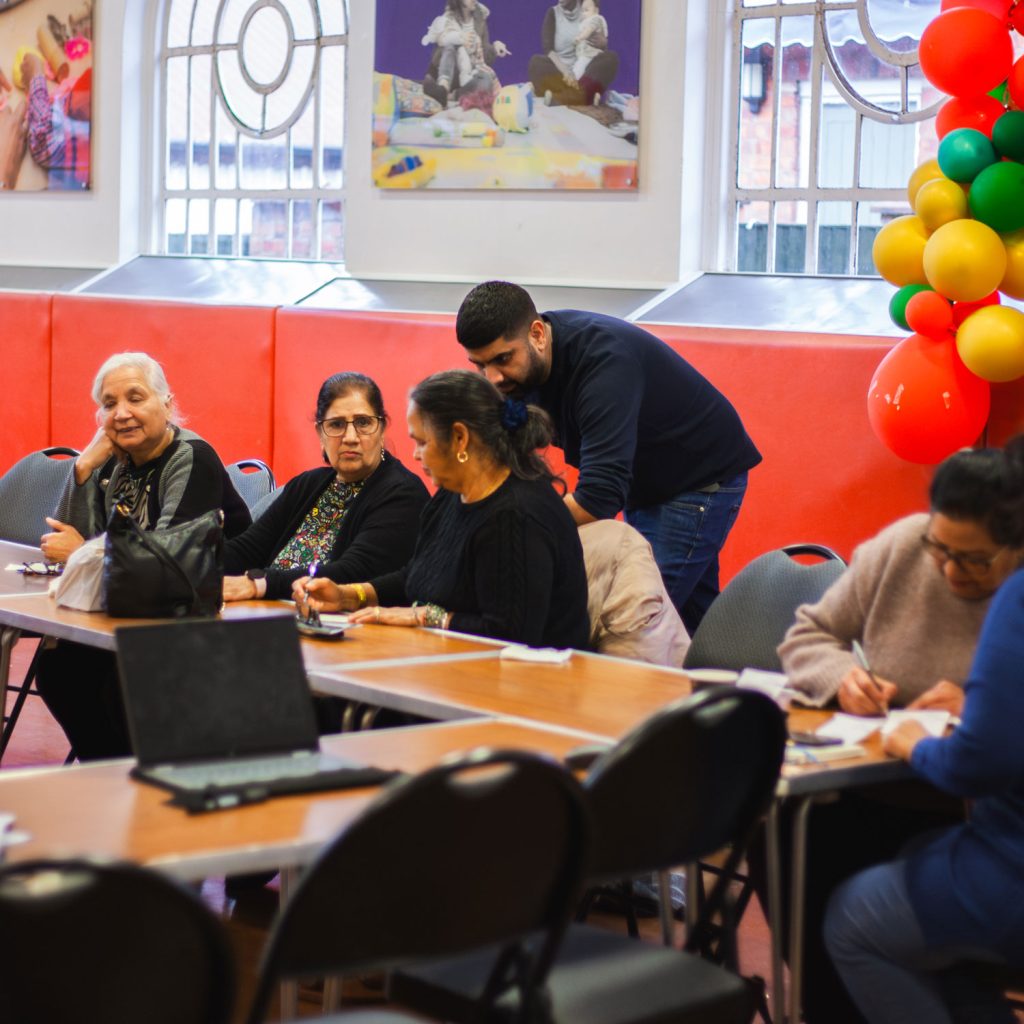
The workshops were designed using a creative methodology so that everyone could participate regardless of language, literacy or confidence. Rather than relying on formal interviews, the sessions used drawing, mapping and storytelling to help people express what matters to them in their own way. This approach helped make the project more inclusive, particularly for those who may not usually feel comfortable taking part in research.
Warm welcome and consent
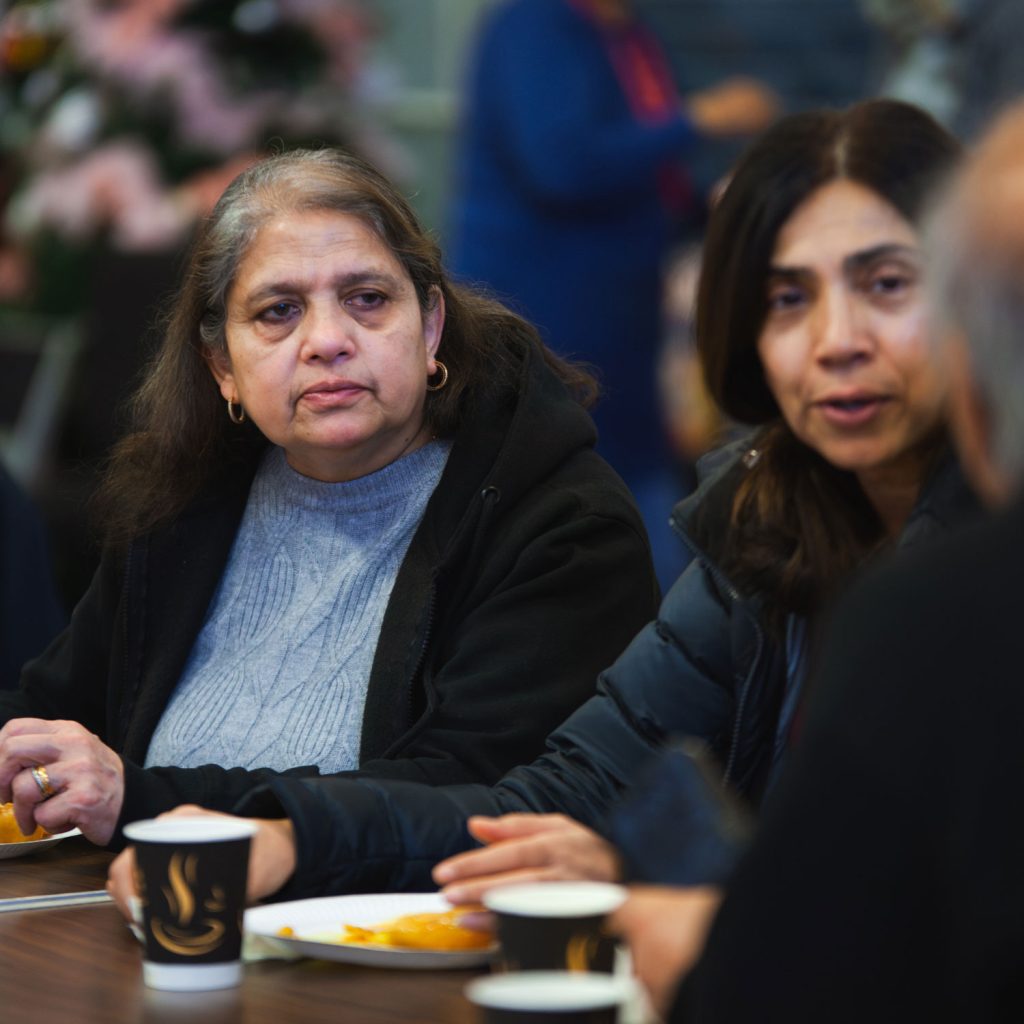
Each workshop began with around 20 minutes dedicated to registrations, refreshments, welcome and introductions, creating a relaxed atmosphere where people felt at ease. The outline of the session was explained clearly, and time was taken to go through consent, ensuring everyone had signed the consent form or that a group leader had permission where appropriate. This careful attention to consent and comfort reflected the shared commitment to dignity, respect and ethical practice.
Activity 1: A picture of a happy life
The first activity, lasting around 20–40 minutes, invited participants to draw a picture of what represents a happy life for them. People were reassured that the quality of the drawing did not matter and were encouraged simply to show what is important to them in order to feel happy, with example images used to help get started. This served as an effective ice breaker, helping participants relax while gently introducing the themes of wellbeing, identity and daily life.
Activity 2: Mapping meaningful communities
The second activity, lasting about 40 minutes, asked participants to draw a map of their communities, identifying important places that enable them to live a happy life. People then explored any issues they face accessing these places and what changes would help, such as transport, language, stigma or service design. Each group was supported by a facilitator who captured the group’s ideas and reflections, and time was built in for feedback so that participants could share their maps and insights with others.
Activity 3: Imagining an ideal week of belonging
The third activity, also around 40 minutes, invited participants to imagine what an ideal local community would look like in helping them, or people like them, to feel they truly belong. They were asked to describe this as an ideal diary week, noting what they would be doing, who they would be with and where they would go, and then to add what would need to change to make this week possible. This helped move from describing current challenges to co-designing practical, hopeful ideas for future dementia support and community life.
Why this work matters
By supporting the engagement of 65 South Asian participants and facilitating these creative workshops, DOSTIA helped ensure that the InvolveD study was not just about people but with them. The drawings, maps and ideal diary weeks created rich insight into what a “good life” and a sense of belonging look like before and after a dementia diagnosis. These insights are now helping shape more culturally appropriate and responsive dementia support, aligning with DOSTIA’s wider mission to centre community voices and reduce inequalities in care.
Project Partners:


Funded by: