
Funder: National Institute for Health and Care Research, Research for Social Care Programme, April 2024 – November 2025.
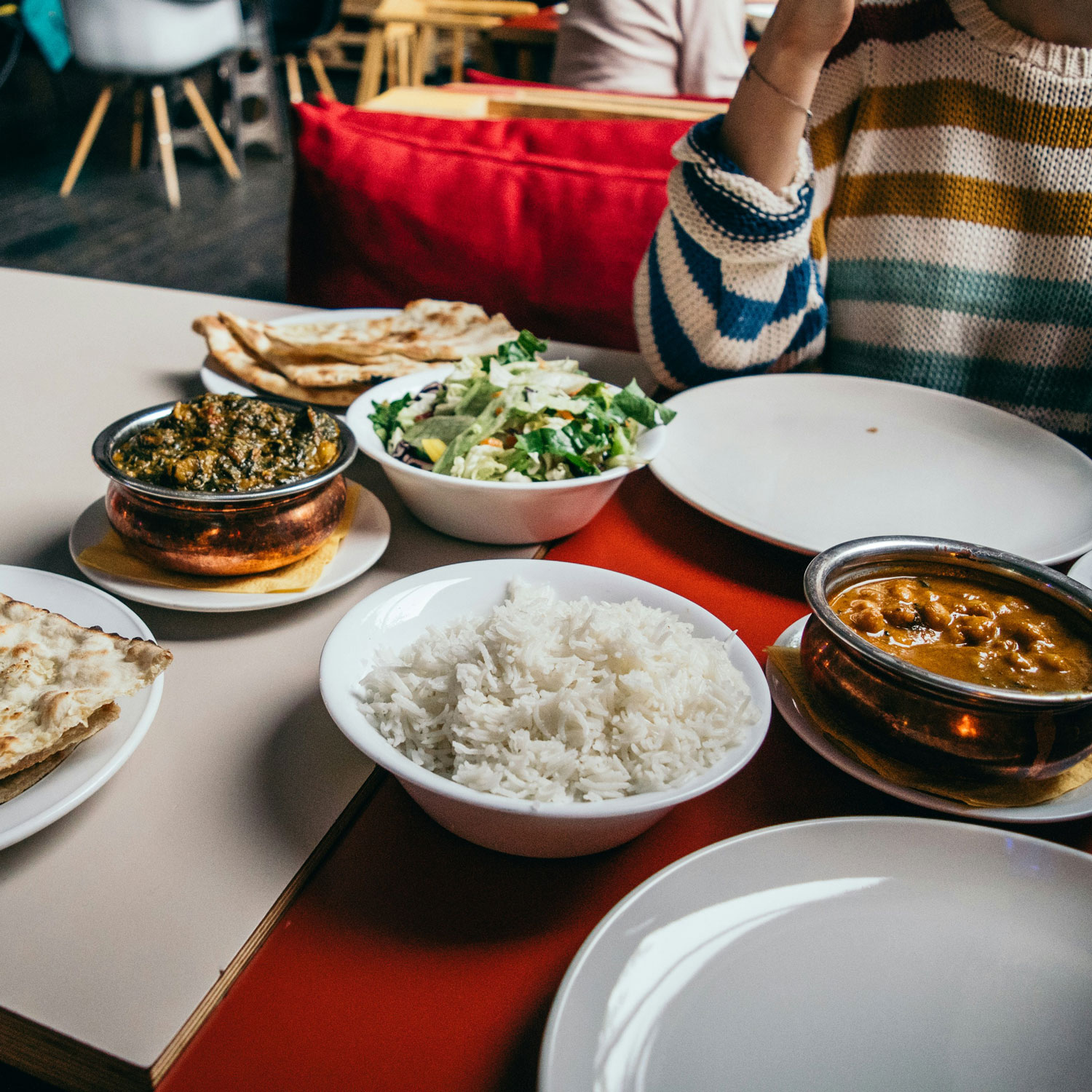
For DOSTIA, food has always been more than nutrition; it is a way of honouring culture, sustaining friendships and supporting people affected by dementia to feel at home. Led by the University of Worcester, our involvement in the Food Glorious Food project grew directly from this ethos, rooted in our wider mission to benefit people affected by dementia, especially within South Asian and other ethnically diverse communities in the UK.
In this project, our role was to open our spaces and networks so the research team could see, first-hand, how food-related practices are woven into everyday community-based support.
Opening our doors and our kitchens
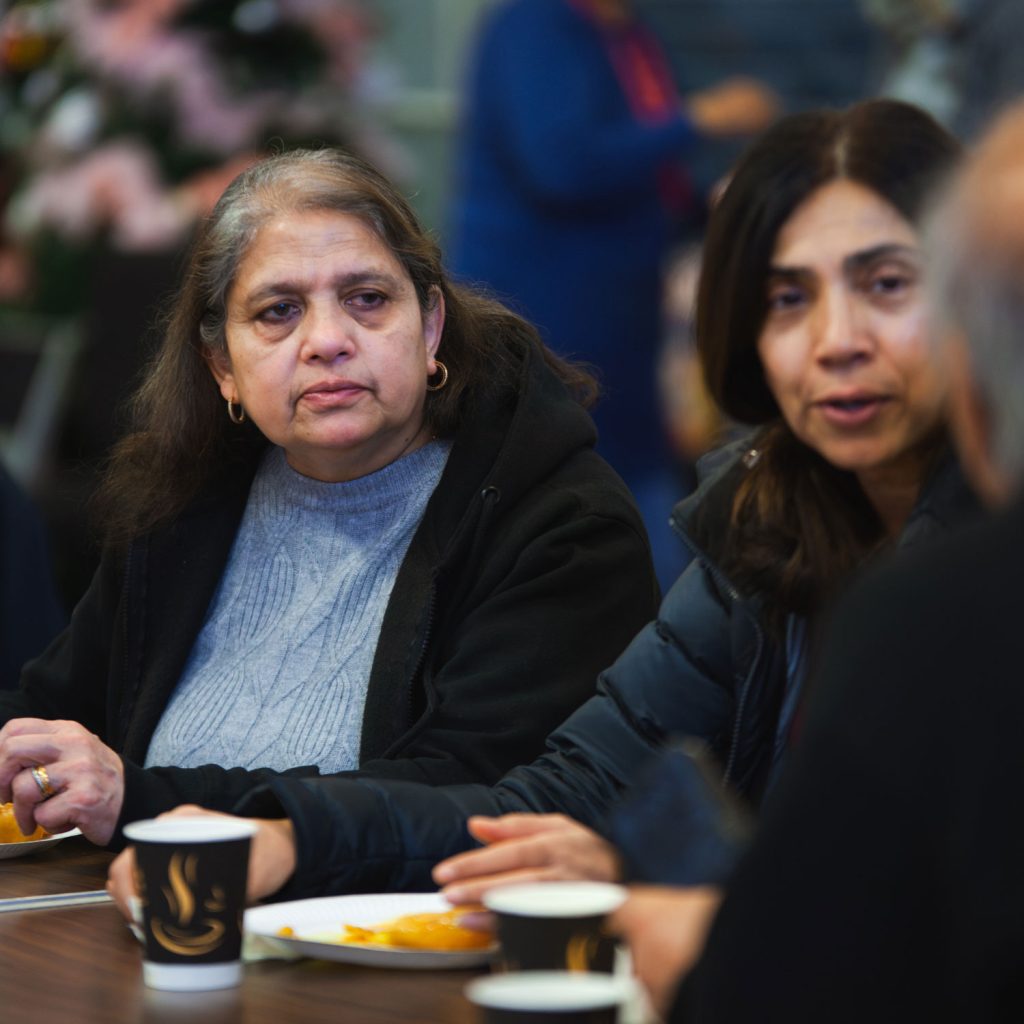
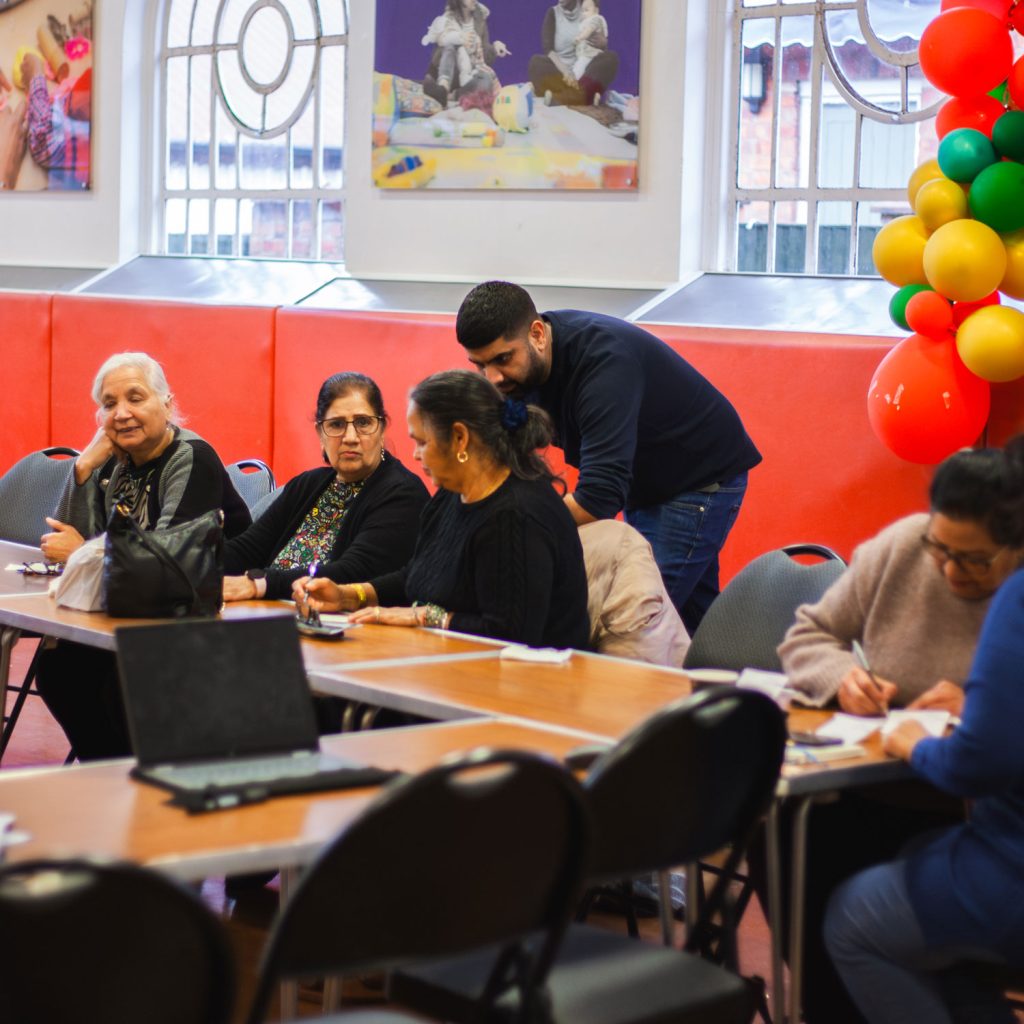
DOSTIA welcomed the research team into its own weekly activities, enabling them to observe how shared food, tea and snacks sit alongside conversation, information, reminiscence and peer support. This gave researchers a real sense of how culturally familiar food can reduce stigma, build trust and make it easier for families to talk about dementia.
By inviting the team to see “ordinary” practice rather than staged sessions, we helped ensure the project reflected real-world experiences of people living with dementia and their carers.
Connecting researchers with community groups
As part of the collaboration, DOSTIA connected the research team with other local groups where food plays an important role in post-diagnostic and community-based support. This included:
- Satrang, a South Asian community group where home cooked snacks that are brought in by members are central to social connection and mutual support
- Ekta, a South Asian support group held at Guru Nanak Sikh Gurdwara in Wolverhampton, where langar and communal eating are deeply embedded in Sikh faith, hospitality and equality
- DOSTIA’s own support spaces, where refreshments, familiar foods and informal gatherings are used to welcome people, reduce isolation and share information about dementia
By facilitating access to these settings, DOSTIA enabled the project to explore how food-related practices work across different cultural and faith-based environments, rather than in a single service context.
Showing food as everyday support
In each location, the research team were able to see how food is used to:
- Welcome people into the space and reduce anxiety about attending groups
- Maintain routines and preferences that are meaningful to people living with dementia
- Create a sense of belonging, dignity and mutual care among attendees and volunteers
This aligned closely with DOSTIA’s aim to develop models of practice that can be adopted with other diverse ethnic minority communities across the UK, demonstrating how small, everyday acts around food can contribute to better dementia support.
Strengthening future dementia services
Through this project, DOSTIA’s collaboration with researchers showed how community-led, culturally grounded food practices can inform better-designed, more inclusive post-diagnostic support. The insights gathered from DOSTIA, Satrang and Guru Nanak Sikh Gurdwara will help shape guidance on how services can use food safely and meaningfully in their work with people affected by dementia.
This partnership reflects DOSTIA’s wider commitment to co-producing research, working with local academic institutions, and giving communities a voice in shaping equitable and culturally competent dementia care.
Project Partners:




Funded by: